
5 Signs Your Stucco Needs Repair After Winter

Winter weather in New Jersey can be tough on your home’s exterior — especially stucco. Between freezing temperatures, moisture, snow, and ice, small issues can quickly turn into expensive repairs if left untreated.
As spring arrives, now is the perfect time to inspect your property for signs of stucco damage before the warmer, wetter months make the problem worse.
Here are 5 common signs your stucco may need professional repair after winter:
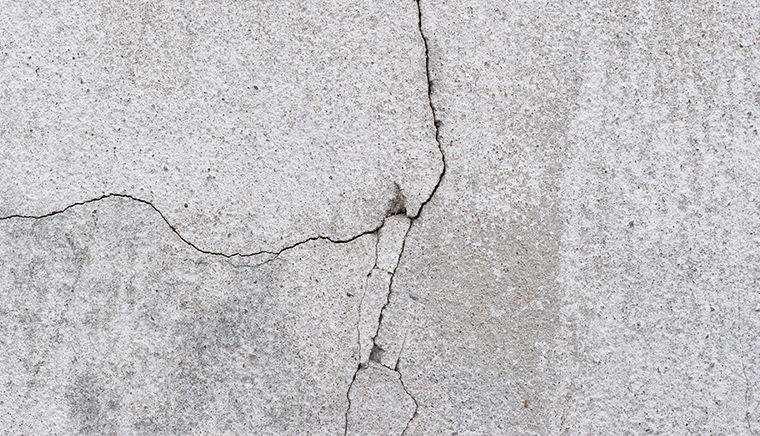
1. Cracks in the Stucco

Small hairline cracks may not seem like a big deal at first, but they can allow moisture to seep behind the stucco surface. Once water gets trapped and temperatures drop again, freezing and expansion can create even larger cracks over time.
Common areas to check:
Around windows and doors
Corners of the home
Near rooflines
Around foundation areas
If cracks are spreading or becoming more noticeable, it’s best to have them professionally evaluated.
2. Staining or Discoloration
Brown, yellow, or dark stains on stucco can indicate water intrusion behind the surface. New Jersey’s winter snow and ice can force moisture into weak areas, leading to hidden damage beneath the exterior.
Discoloration may be a sign of:
Water penetration
Mold or mildew growth
Improper drainage
Failing sealants
Addressing moisture issues early can help prevent costly structural repairs later.

3. Bubbling, Bulging, or Soft Spots
Stucco should feel solid and secure. If you notice bubbling, bulging, or soft areas, moisture may already be trapped behind the surface.
This can lead to:
Rotting wood underneath
Mold growth
Separation of stucco materials
Structural damage
These warning signs should never be ignored, as the damage can continue spreading even if the surface appears minor.
4. Chipping or Flaking Stucco
When stucco begins chipping, peeling, or flaking away, it often means the exterior has been compromised by moisture or age.
Winter freeze-thaw cycles are especially hard on older stucco systems in New Jersey. Small damaged sections can quickly expand if repairs are delayed.
Professional repairs can restore both the protection and appearance of your home.
5. Higher Energy Bills or Drafts
Damaged stucco can affect your home's insulation and energy efficiency. Cracks and hidden moisture intrusion may allow air leaks that make it harder to maintain indoor temperatures.
If you’ve noticed:
Drafty rooms
Increased heating or cooling costs
Uneven indoor temperatures
your stucco system could be part of the problem.
Schedule a Stucco Inspection This Spring
Spring is one of the best times to inspect your home for exterior damage caused by winter weather. Catching stucco issues early can help protect your investment and prevent more expensive repairs down the road.
At Stucco Repair of NJ, we specialize in identifying and repairing stucco damage throughout New Jersey. Whether you’re dealing with cracks, water damage, or aging stucco, our team is here to help restore your home’s exterior safely and professionally.
Comments